Understanding Image to Image AI Technology
Image to image AI technology is revolutionizing how we interact with digital visuals, enabling users to transform images with unprecedented creativity and efficiency. By utilizing advanced algorithms, this technology allows for the modification and generation of images based on existing ones, thus broadening the horizons of artistic expression and practical applications. When exploring options, image to image ai offers comprehensive insights into how this technology is shaping the future of creativity and innovation.
What is Image to Image AI?
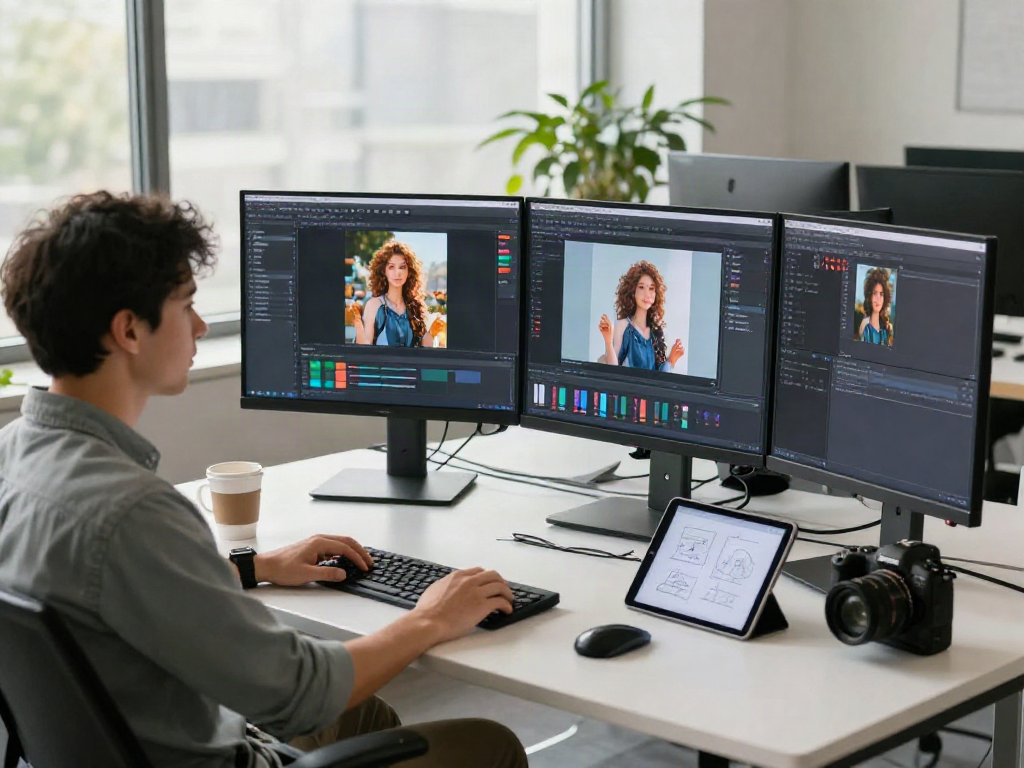
Image to image AI refers to a subset of artificial intelligence techniques designed to modify images based on input images. This involves using deep learning algorithms that analyze the features of the input image and apply transformations to create an output image. The fundamental concept behind this technology is to leverage convolutional neural networks (CNNs) to ensure that the output retains recognizable features of the input while showcasing novel elements introduced through the AI's interpretation.
Key Applications of Image to Image AI
Image to image AI can be leveraged across various sectors including, but not limited to:
- Art and Design: Artists can use these tools to generate new artwork styles or modify existing pieces.
- Gaming: In the gaming industry, AI can create dynamic textures and enhance visual fidelity based on user preferences.
- Fashion: Fashion designers can apply image to image transformations to visualize concepts before production.
- Advertising: Marketers can generate visuals tailored to specific demographics, thus optimizing engagement strategies.
Core Technologies Behind Image to Image AI
The core technologies powering image to image AI include generative adversarial networks (GANs) and neural style transfer. GANs consist of two neural networks—the generator and the discriminator—that work in tandem to create images that are indistinguishable from real photographs. Neural style transfer, on the other hand, involves blending the content of one image with the style of another, enabling a unique artistic effect. These foundational technologies enable a wide range of applications, providing a toolkit for developers to innovate continually.
Benefits of Using Image to Image AI in Development
The integration of image to image AI into development processes offers numerous advantages that can significantly enhance productivity and creativity.
Enhancing Creative Processes with Image to Image AI
By employing image to image AI, creators can break the boundaries of traditional artistic methods. The ability to rapidly iterate and explore various styles and modifications encourages experimentation, allowing for a more profound creative flow. For instance, an artist can quickly visualize multiple versions of a concept, facilitating a more productive feedback loop and reducing time spent on manual adjustments.
Boosting Efficiency in Digital Workflows
Incorporating image to image AI into digital workflows can streamline processes across industries. Whether it’s automating tedious design tasks or creating prototypes for user testing, this technology minimizes the effort required to achieve high-quality visuals. Businesses can thus direct their focus on strategy and innovation instead of repetitive tasks.
Real-World Case Studies on Success
Numerous businesses have successfully integrated image to image AI into their operations. For example, an online retailer utilized AI to generate customized product images based on user preferences, resulting in a 30% increase in conversion rates. Similarly, a game development company employed this technology to enhance game graphics dynamically, improving user engagement and satisfaction levels.
Common Challenges and Misconceptions
Despite the potential benefits, companies face several challenges and misconceptions regarding image to image AI implementation.
Addressing Technical Complexities in Implementation
Implementing image to image AI can present technical challenges, particularly in integration and scalability. Organizations often struggle with aligning existing workflows with new technologies, as traditional systems may not be designed to accommodate AI outputs. To mitigate these challenges, companies should invest in proper training and toolsets to ensure seamless integration.
Misunderstandings About Output Quality
Many stakeholders harbor misconceptions about the quality of outputs generated by image to image AI technologies. While initial outputs may not always meet expectations, ongoing iterations and refinements often lead to enhanced results. Developers must educate users about the iterative nature of AI-generated content to foster realistic expectations.
Navigating Legal and Ethical Concerns
As with any emerging technology, legal and ethical concerns about image to image AI persist. Copyright issues surrounding the use of existing images for training AI are paramount, and businesses must navigate these waters carefully to avoid infringement. Establishing best practices for ethical use and obtaining proper licenses can help mitigate potential legal challenges.
Best Practices for Implementing Image to Image AI
For organizations considering the adoption of image to image AI, following best practices can facilitate a smoother transition and maximize the impact of the technology.
Steps to Integrate Image to Image AI into Projects
Integrating image to image AI into projects should begin with a clear understanding of the specific use case and desired outcomes. Following a structured approach can help teams identify relevant tools and technologies that align with project goals. Starting with pilot projects can also provide insights without committing extensive resources upfront.
Choosing the Right Tools and Platforms
Selecting the right tools and platforms is crucial for successful image to image AI integration. Organizations must assess their needs and capabilities before choosing solutions that provide flexibility, scalability, and support for their specific applications. Popular platforms include TensorFlow, PyTorch, and specialized tools like RunwayML, which are designed to simplify the image generation process.
Measuring Success and Performance Metrics
Once implemented, measuring the success of image to image AI applications is essential. Setting clear performance metrics, such as output quality, user engagement, and return on investment, can help organizations evaluate the effectiveness of their initiatives. Regularly revisiting and adjusting these metrics ensures that projects remain aligned with evolving goals.
Future Trends in Image to Image AI (2026 and Beyond)
The future of image to image AI holds exciting potential for further innovation and application across various fields.
Upcoming Developments in AI Image Processing
As technology progresses, we can expect significant improvements in AI image processing capabilities. More sophisticated algorithms will likely enhance the nuances of image generation, leading to even higher quality outputs that are more contextually aware and adaptable to user input.
Adapting to Getting Feedback and Inputs
With advancements in user interaction, future iterations of image to image AI may incorporate real-time feedback mechanisms, allowing for instant adjustments based on user preferences. This adaptability will empower creators to produce more personalized and relevant content, enhancing user satisfaction.
Expert Insights on Future Applications
Industry experts predict a growing intersection of image to image AI with other technologies, such as augmented reality (AR) and virtual reality (VR). This combination could lead to immersive experiences where users interact with AI-generated visuals in real-time, opening doors to new applications in education, training, and entertainment.
What are the main use cases for image to image AI?
Main use cases for image to image AI include enhancing artistic creation, generating marketing materials, modifying architectural designs, and creating personalized content for user interfaces. Many industries are finding innovative applications tailored to their unique needs.
How can I overcome common challenges with image to image AI?
Common challenges can be addressed through thorough training, careful selection of tools, and fostering a culture of experimentation. Providing stakeholders with realistic expectations and involving them in the process can also reduce resistance to change.
What tools should I use for image to image AI development?
Recommended tools for image to image AI development include TensorFlow for building custom models, PyTorch for research-focused applications, and platforms like Daz 3D for generating 3D images. Choosing the right tool depends on your project requirements and team expertise.
What ethical concerns should I consider with image to image AI?
Considerations include copyright issues, potential misuse of generated content, and ensuring transparency in how AI-generated images are used. Establishing ethical guidelines for usage and promoting responsible AI practices is essential for maintaining credibility and trust.
What are the future trends in image to image AI technology?
Future trends include advancements in generative models, real-time feedback integration, and cross-disciplinary applications that merge AI with fields like AR and VR. Keeping an eye on these developments can help organizations stay ahead in the evolving landscape.